Outdoor advertising has one ruthless requirement: it has to survive. Sun, rain, frost, wind, temperature swings-and sometimes heavy exposure to the surrounding environment. That’s why printing technologies that work brilliantly indoors can disappoint outside. UV printing solves many typical outdoor challenges-provided it’s used where it genuinely pays off.
What is UV printing and what makes it different?
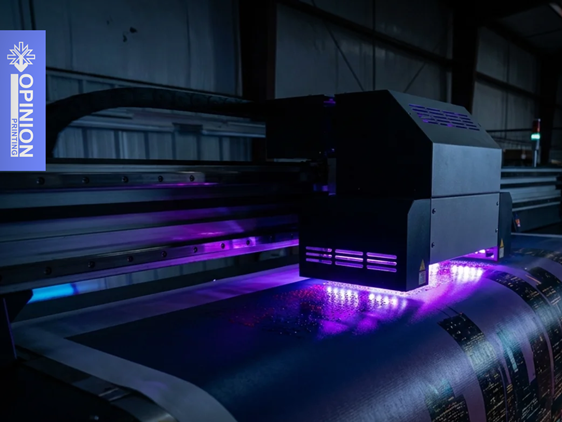
In UV technology, the ink is cured with ultraviolet light almost “in the same moment” it hits the substrate. Instead of waiting for drying, the print is immediately ready for further finishing. In practice, this means the ink layer sits more “on the surface” of the material, which supports sharper detail and more stable color.
This is also one reason UV is associated with premium results: precision, crispness, repeatability, and the ability to print on many material types make a real difference in projects that need to look good over time.
When is UV printing most cost-effective?
UV printing performs especially well in three situations.
The first is campaigns and installations meant to stay up longer than just a “moment.” If the medium is expected to work outdoors for weeks or months, weather resistance stops being a bonus and becomes a must-have.
The second is projects where quality matters: vivid colors, high legibility, details close to photographic. Where the graphic needs to be truly impactful, UV delivers a highly predictable result.
The third is when the deadline is tight. No drying time and faster production flow can save the schedule-especially for larger volumes or complex post-print finishing.
What does UV deliver in outdoor advertising?
Outdoors, UV wins above all on durability. Prints handle light exposure and temperature changes better, and they maintain their appearance in rain and humidity. In practice, that means less frequent material replacement and fewer “refreshes” during a campaign.
The second advantage is appearance. Color can be more saturated and detail sharper, because the ink doesn’t need to soak into the substrate the way it does in some other technologies. Where a graphic needs to catch attention from the street, this difference can be truly noticeable.
The third benefit is flexibility in material choice. UV doesn’t lock you into one type of medium-you can build consistent communication systems by combining different surfaces and formats without sacrificing quality.
Which substrates give UV the most possibilities?
UV is valued because it goes beyond classic advertising materials. Besides banners, mesh, and films, it also performs well on rigid substrates used in signage: plastics, boards, composites, display elements-and even less obvious materials like wood or metal.
This opens the door to projects that work both as advertising and as part of visual identity-durable, aesthetic, and resistant.
Where does UV work best in practice?
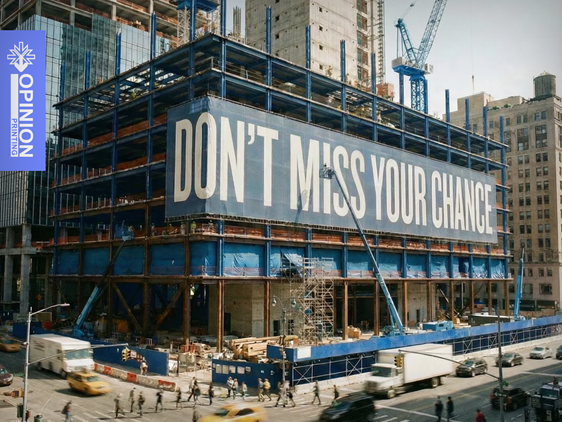
Large-format outdoor applications are UV’s natural environment: banners, mesh, wraps, and display elements that must remain readable from a distance and keep their look despite weather.
The second area is outdoor signage: panels, signboards, directional and informational elements. Here, durability and color stability are critical, because the medium needs to look good not for a week, but for a long time.
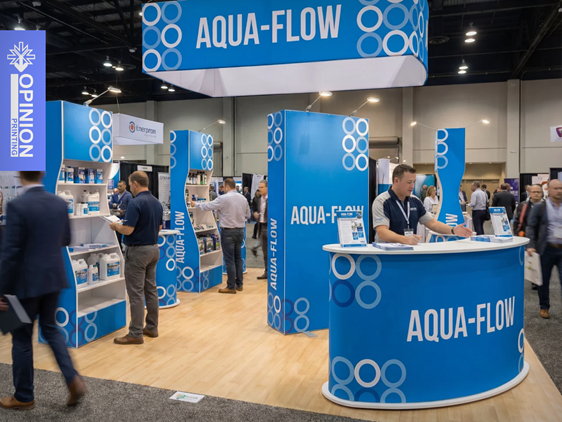
The third use case is display systems and materials that must be ready fast and look “brand new” on installation day-especially when cutting, routing, lamination, or other post-print processing is involved.
Ecology and working comfort – what’s worth knowing?
Environmental aspects often come up in discussions about UV. Depending on the inks and process used, the technology can reduce emissions of volatile organic compounds compared with solvent-based solutions. For many brands, this is no longer a “nice extra,” but part of the standard.
Summary
UV printing is a strong outdoor option when durability, quality, and predictability matter. It works best for applications that need to perform for a long time, look great, and avoid surprises after weeks of exposure. Add time pressure and the need to print on various substrates-and UV often becomes the most rational choice.
Finally: if consultation is needed to match the technology to a specific application (medium, location, exposure time, budget), the team can help select the right solution and prepare an offer.